
TIMELINE FOR ANCIENT EGYPT 300,000 BCE to 969 AD

300,000 BCE –7,000 BCE (Paleolithic) Archaeologists have designated this long stretch of time the Paleolithic period because most tools are made from stone. Based on finds, we know that people inhabited both the Nile valley and its nearby deserts as environmental conditions permitted. The Lower Paleolithic period (ca. 300,000–90,000 B.C.) is the earliest occupation known in Egypt and these ancestors of humans often used a bifacial tool we call the Acheulian hand ax. It is easily recognized and examples have been recovered in many parts of the desert. From about 90,000 to 35,000 B.C., groups of Middle Paleolithic people who settled at springs in the desert and along the river left behind more sophisticated tool kits that are dominated by blades and retouched bifaces. Upper Paleolithic cultures (ca. 35,000–7000 B.C.) produced tool kits composed largely of monoliths. Sites from this latter period have also yielded hearths, plant and animal remains, and a few human burials.
300,000 BCE–90,000 BCE). The Nile Valley is first inhabited in the Lower Paleolithic Period Neolithic people continue to create stone tools, and exploit domesticated plants and animals
90,000 BCE-35,000 BCE Groups of Middle Paleolithic people settled at springs in the desert and along the river left behind more sophisticated tool kits that are dominated by blades and retouched bifaces.
35,000 BCE-–7,000 BCE Upper Paleolithic period produced incredible diversity and technological innovation with increased efficiency of stone tools with the development of Blade Technology and the tools that blade making made possible with prismatic blades as blade technology improved one hundred-fold and they could manufacture large quantities of very sharp, straight cutting edges for use by themselves or as part of compound tools while using very little raw material. These opened up a whole new world of wood and bone working with an ease and efficiency never previously matched. Blades could be made very thin and long. One of the most important tools was the burin or micro-burin a highly refined gouging and engraving tool that allowed the manufacture of very important sewing tools for clothing — Created tools with very sharp but strong fine points. As noted similar tools were used for engraving work.
9,000 BCE – c. 6,000 BCE The Faiyum/Maadi culture near today’s Cairo and in many other places in the Delta to the Fayum Oasis region 100 miles SE of Cairo, is the most important Lower Egyptian prehistoric culture leading to the Naqada I and II phases in Upper Egypt.
7,000 BCE–4,500 BCE In the ensuing millennia many forms of art flourish, including jewelry (faience beads), ceramic vessels, geometric figures, and pottery, much of which is found in tombs. Hierakonpolis in the south, the largest Predynastic settlement known, is the center of political control. Neolithic Cultures — The earliest permanent settlements belong to this period. Their occupation is identified from the remains of huts, hearths, granaries, and nonportable stone tools for grinding grains. People had now begun to exploit domesticated plants and animals, although animal bones indicate that hunting of birds, small game, and fish continues to be important to the economy. Stone tools remain significant components of the material culture, but tools of bone and ceramic vessels are now used as well. At the site of Merimde Beni Salama in the Delta, a representation of a human face is the earliest known example of sculpture from ancient Egypt.
Click for Source of Some of the Gods & Symbols from Egypt
6000 BCE Egyptians settled in the valley near the Nile River and used the Nile’s clay and silt for pottery vessels. Nile River Valley is first inhabited. Earliest Egyptian Burial Chamber dug at Saqqara. Burial of the Dead begins in Egypt.
6,000 BCE – c. 640 CE Papyrus harvested used for multiple purposes. Plentiful Papyrus grew along the Norther Nile and was the Symbol of Lower (northern) Egypt and was used for recording written events. The lotus flower was recognized as the Symbol of Upper (southern) Egypt.
6,000 BCE – c. 3,150 BCE Anubis, a god associated with mummification and the afterlife is developed or god of the dead during the Predynastic Period.
6,000 BCE – c. 3,150 BCE Heka, Magic God, develops during the Predynastic Period and art develops during the Pre-Dynastic Period. The sacred bull which is later known as Apis is worshiped during the Predynastic Period.
6,000 BCE – c. 3,150 BCE Worship of Osiris, the god of the afterlife, the underworld, and the dead, begins in Pre-Dynastic Period. Djed symbol, a pillar-like symbol in hieroglyphics representing stability is used. Nepthys, a popular protective goddess of the dead is worshipped. Rulers of this Predynastic Period of Egypt known as “Followers of Horus” where the clergy of the Horus child Cult was protected from their `mother’ Isis. The reflecting pool of the afterlife temple was known as The Lake of Flowers which the souls of the justified dead were rowed across by a divine ferryman. Uat-Ur, the ancient Egyptian name for the Mediterranean Sea and is translated as ‘the Great Green’, it was the sea itself, not a god of the sea, but was sometimes pictured as a male with breasts heavy for nurturing and with skin resplendent with the shimmer of rolling waves. Uat-Ur is often shown in company with images of the Nile River, linking with the ‘mother of all men’ a title the ancient Egyptians gave to the Nile.
6,000 BCE-30 BCE Neith, earliest goddess and considered the prime creator is worshiped as one of the most enduring deities in the nation’s history. Also the God Thoth, God of the Moon, Magic and Writing is worshiped.
5,500 BCE Oldest glazed ceramic ware workshop founded at Abydos.
5,000 BCE Organized farming begins. People of Egypt farmed cattle and grew wheat and barley on the Nile valley.
5,000 BCE – c. 4,000 BCE Merimba Culture of music, a deep-toned xylophone of Egyptian origin.
4,500 BCE Egyptians began to build ships and boats with sails. Boats were the common form of transport.
4,500 BCE –3800 BCE (Badarian Period) Although most sites of this period are cemeteries located in the low desert of the Nile valley proper, the Delta site of Merimde Beni Salama is the largest known in Egypt from this time. The Nile valley sites located in Middle Egypt in the vicinity of the modern town of Badari give the period its name. The numerous Badarian cemeteries reveal a formal burial program that includes constructing a tomb, positioning the body, and supplying the deceased with equipment for an afterlife. The most common burial objects are finely made bowls of Nile clay in brown or red. Tombs occasionally contain jewelry—including the earliest glazed stone beads—and sometimes small human figures of ivory.
4500 BCE – 500 AD Ancient Nubia also known as Kush region along the Nile River, located in northern Sudan and southern Egypt. It was home to some of Africa’s earliest kingdoms. Known for rich deposits of gold, Nubia was a major trading port for luxury goods that came from sub-Saharan Africa, such as incense, ivory, and ebony. The first monarchy of recorded history was established in Nubia. The Nubians were also known for their exceptional archery skills that provided the military strength for their rulers. Kings of Nubia ultimately conquered and ruled Egypt for about a century. Monuments still stand—in modern Egypt and Sudan—at the sites where Nubian rulers built cities, temples and royal pyramids. In the 1800s, Westerners discovery of the ancient empire’s monuments.
4,500 BCE – c. 4,000 BCE Badarian Culture
4,000 BCE Egyptians trace their origins to the Mount Rwenzori range of eastern equatorial Africa, located on the border between Uganda and the Congo. At 16,763 feet, the permanently snow capped mountain glaciers are one major source of the river Nile River.
4,000 BCE-3,000 BCE. Trade started between the Mediterranean City of Byblos, in Eastern Mediterranean coastal area of Canaan, with Egypt. Phoenicia or Canaan covered a large and prosperous roughly present-day Lebanon, coastal Syria, Jordan and Palestine. Greeks knew the Canaanites as `Phoenicians’ which is Greek for `purple’ as the Phoenicians working in the city of Tyre made purple dye from the secretion produced by tens of thousands of snails with substantial labor. The dye was expensive and was widely traded by Phoenician merchants. Phoenicians were among the greatest traders of their time and owed much of their prosperity to trade. At first, they traded mainly with the Greeks, trading wood, slaves, glass and powdered Tyrian purple dye. The Venetians have many of the characteristics of the much earlier Phoenicians.
4,000 BCE – c. 3,500 BCE Amratian Culture (also known as Naqada I)
4,000 BCE Depictions of gods and afterlife on walls of Egyptian tombs.
4,000 BCE – c. 3,000 BCE Trade contact between Byblos and Egypt.
4,000 BCE El Omari, Ma’adi, and Tasian Cultures.
3800 BCE–3650 BCE (Naqada I) Occupation increases throughout the Nile valley and cemeteries and settlements appear in a number of places in the Delta as well. None of the known sites is very large, although Hierakonpolis far to the south is the largest population center known. Settlement size and distribution are primarily understood from the well-known cemeteries of the period, including those near the modern town of Naqada in Upper (southern) Egypt, for which the period is named. The formal burial program begun in the Badarian Period continues, with increased numbers of ceramic vessels—some of which display geometric figures and hunting scenes—placed in the tombs along with stone vessels and slate cosmetic palettes of rhomboid and animal forms. As in the Badarian Period, figures and jewelry are occasionally placed in tombs, especially at the end of the period and into early Naqada II. Village economies are based on agriculture and herding, although wild birds and fish supplement the diet. Upper Egypt in southern Egypt & has the narrow Nile River Valley with steep cliffs rising on either side. It was also known as Ta Shemau which means “the land of reeds” referring to the papyrus that grew in abundance. The main cities in Upper (southern) Egypt include Thebes, Abydos, Thinis, Khmun (Hermopolis), Dendera, Hierakonpolis, Koptos, Edfu, Elephantine and Aswan. The main city of predynastic Upper Egypt was Hierakonpolis or Nekhen whose patron deity was the Vulture goddess Nekhbet. It is now know there was an early Pharaoh, Dynasty Zero, some 250 years before Dynasty I, that had developed writing and created the first primitive pyramid (more of an underground complex with a mound above ground). Those ideas were expanded upon and led to the amazing future culture, cities, and pyramids of later dynasties. The valley now surrounded by very dry desert was believed to have had trees and a savannah like landscape with elephants, lions, and other animal life in the area. Other rivers feeding the White Nile and Lake Victoria include the (some named by Europeans) Victoria Nile, Kyoga Nile, and Albert Nile. Lake Victoria (obviously named by a European) is 2,300 miles from Khartoum. While the White Nile brings a steady flow of water all year round, the Blue Nile builds into a torrent after summer rains causing floods in the Nile Valley. Along the Nile there were six shallow spots with stones jutting out, called cataracts. These dangerous cataracts consisted of rocky islets, waterfalls, whirlpools, or white water rapids. Only one cataract was in Egypt, at Aswan. Upper (southern) Egypt is bordered by land known as Kush or Nubia/Ethiopia and is now called Sudan. The northern section of Upper Egypt, between El-Ayait and Sohag is sometimes known as Middle Egypt.
3650 BCE–3300 BCE (Naqada II) Substantial change in the social organization of Predynastic society occurs during this period, identified by the size and arrangement of settlement and cemetery sites as well as the contents of tombs. Burial goods are similar to those of the Naqada I Period, although styles of vessels and palettes change. Faience, a glazed ceramic material, appears for the first time, largely in the form of beads. Some members of Naqada II society seem to have access to greater wealth, allowing them to construct more elaborate tombs with richer contents. Items signifying high status in later periods begin to appear, again indicating social differentiation among the population. A new type of pottery is made from a buff-colored desert clay and decorated in red paint with geometric forms and boat and desert scenes. The clay is rare and the decorative forms consistent. Consequently, it is believed that, unlike other ceramic types, this pottery was produced in only a few workshops rather than by each village. Most early Egyptian cities and towns had their own religious cult centers worshipping a variety of different gods and goddesses. Some such deities grew in popularity across Egypt and others disappeared over time. The Nile Valley eventually became home to the Valley of the Kings and Queens, the Pyramids, the Sphinx and stunning temples dedicated to the gods of the ancient Egyptians. Abydos, a cult center, was the site of an Ancient Egyptian burial place of the early Egyptian pharaohs, the royal monuments at Abydos include the Temple of Seti I, the mythical burial place of the god Osiris. Major cult centers of Upper Egypt were the Ogdoad of Hermopolis, the Triad of Thebes, the Triad Latopolis in Esna and the Triad of Elephantine (located near Aswan). Nekhebet was the vulture goddesses and another symbol of Upper Egypt. Coptus or Koptos was an important trading and religious center, its principal deities were Min, Isis and Horus. Elephantine (telling us there were elephants and other animals in the area during ancient times) is an island in the River Nile situated at Aswan and was the cult center for the gods Khnum, Satet, Anuket and Hapi
3,500 BCE Egyptians invent the sail
3,500 BCE – c. 3,200 BCE Gerzean Culture (also known as Naqada II), a characterized by a buff-colored pottery with pictorial decorations in dark red paint, also the use of a tubular drill with abrasive for stonecutting of pear-shaped heads, and ripple-flaked flint knives using advanced metallurgy. The first hieroglyphic symbols and writings were created usually placed on their walls.
3,414 BCE – c. 3,100 BCE Xois founded as a city during the 1st Dynasty.
3300 BCE–3100 BCE (Naqada III) The most important cultural changes associated with this period are reflected in representations on objects. The scenes on large, ceremonial slate palettes indicate that one individual holds significant power. This individual is depicted with numerous symbols linked to Egyptian kingship in pharaonic times. The scenes are carved in some of the earliest known raised relief, and palettes as well as small ivory labels or tags display the first stages of hieroglyphic writing. Symbols of various pharaonic deities occur on palettes, tags, and a few three-dimensional objects. Hierakonpolis is the largest Predynastic settlement and may be the center of political control, but the sites of Naqada and Abydos are significant as well. It is now known that Abydos was the burial ground of late Predynastic leaders, testifying to the importance of this region.
3,200 BCE Hieroglyphic script developed. Thebes, in upper Egypt, became inhabited and became the site of the major temples of Luxor and Karnak.
3,200 BCE – 3,150 BCE Naqada III Period Culture.
3,200 BCE – c. 3,000 BCE Probable dates for creation of oversized objects shaped like arrow heads and used to engrave detailed images or messages with symbols of gods and other things (Narmer Palette.)
Pre-3,100 BCE Upper Egypt had its own kings and Pharaohs after that the two Egypts were unified under one Pharaoh, King Narmer, who defeated the army of Lower Egypt.
3,150 BCE Hieratic script was invented and developed more or less at the same time as the hieroglyphic script and was used in parallel with it for everyday purposes such as keeping records and accounts and writing letters. It develops following hieroglyphic script
3,150 BCE – c. 2,613 BCE First Obelisks created during the Early Dynastic Period.
3,150 BCE – c. 30 BCE Worship of Seshat from the Early Dynastic Period through the Ptolemaic Dynasty.
3,150 BCE Memphis Egypt known as Hut-Ka-Ptah (“Mansion of the Soul of Ptah”). King Menes unifies Egypt through conquest and rules to 3,100 BCE, called Narmer, first king who is thought to have unified Upper and Lower Egypt. First Dynasty lasts until 2,890.
3,150 BCE – c. 495 AD Apis or Hapis is a sacred bull god worshiped during the Second Dynasty through most of the Roman Period.
3,150 BCE – c. 2,613 BCE Heka, the magic god appears in inscriptions during the Early Dynastic Period with First Kings.
3,150 BCE – c. 30 BCE Life expands in the City of Memphis. Worship of Osiris, lord of the Underworld and husband of Isis, expands in popularity.
3,150 BCE – c. 2,613 BCE Set, god of the desert, storms, disorder, violence, and foreigners in ancient Egyptian religion who evolved in Ancient Greece to be Sēth or Satan. Set was employed by Ra, the sun god, on his solar boat to combat Apep, the serpent of Chaos. He was the RED (desert) god where Horus was the BLACK (soil) god. Set was worshiped as a hero-god during Early Dynastic Period of Egypt.
3,150 BCE – c. 2,890 BCE Anubis, associated with mummification and the afterlife in ancient Egyptian religion, had a dog’s head on a man and the head came from the golden jackal, an African golden wolf, and appears on tomb walls during the First Dynasty of Egypt.
3,150 BCE – c. 2,613 BCE Ankh symbol, also known as “cross with a handle”, an ancient Egyptian hieroglyphic ideograph with the meaning “life”. The Egyptian gods are often portrayed carrying it by its handle, or bearing one in each hand, arms crossed over their chest. appears during the Early Dynastic Period in Egypt.
3,150 BCE – c. 2,613 BCE Neith, earliest goddess and considered the prime creator is worshiped as one of the most enduring deities in the nation’s history, begins to be worshiped as a war-goddess during the Early Dynastic Period.
3,150 BCE – c. 2,890 BCE Serket, often depicted as a woman with a scorpion gracing her crown, and holding the ankh, the symbol of life, in one hand and a scepter, representing power, in the other. She is associated with the god Nun, of the primordial watery abyss and is perceived as creator of the world during the First Dynasty
3,150 BCE Serket, the goddess of fertility, nature, animals, medicine, magic, and healing venomous stings and bites in Egyptian mythology and is the deification of the scorpion, that stings and lead to paralysis and Serqet means tightens the throat, but more likely she causes the throat to breathe, as well as, stinging the unrighteous. She is associated with the Scorpion Kings of the Predynastic Period
3,100 BCE-2950 BCE Late Predynastic Period. Egyptian state foundation with high-walled towns and villages built in Egypt. The Egyptian civilization began when King Narmer founded the first Egyptian dynasty
3100-2950: The First and second dynasties ruled Egypt and began using hieroglyphics. Hor-Aha, is considered to be the first king of the first Dynasty. Memphis, in Lower Egypt, was established as the capital of Egypt
3,100 BCE – 2,181 BCE Xois inscribed on Palermo Stone as an ancient city of considerable size during the 5th Dynasty, located in the center of the Nile Delta.
3,100 BCE Reign of King Hor-Aha. Hieroglyphic writing begins.
3,100 BCE-2,890 BCE The first developed societies appeared in Africa’s Nubia region before the time of the First Dynasty in Egypt, including at the important site of Kerma (north of Khartoum & close to southern border of modern Egypt).
3,050 BCE Reign of King Djer.
3,000 BCE the Egyptians worship the sun and begin to measure time through a calendar based on the three natural cycles (the solar day, the lunar month and the solar year)
3,000 BCE Trade has been established between Syria and Egypt.
3,000 BCE Reign of King Djet.
3,000 BCE Archaeologists discovered a storage pit for wheat and barley at the very beginnings of Nubian civilization during a time of pastoral existence, created a Kerma as a small town that became a city of around ten thousand by 2,500 BCE and rivaled Egyptian cities in size. Egyptians begin to move into the land, importing their culture and set up trading centers.
2,990 BCE Reign of King Den, son of Merneith, early female ruler
2950 BC 2950-2575: The first Egyptian pyramid is built – the Step Pyramid at Saqqara for King Zoser (aka Djoser) who was one of the kings of the 3rd Dynasty. The capital city of Memphis were created.
2,920 BCE – c. 2,890 BCE Reign of Qa’a, last pharaoh of the First Dynasty
2,920 BCE pharaoh Menes/Aha conquers the north and unites most of Egypt, and builds the capital at Hiku-Ptah (Memphis), the site of the cult of Ptah (1st dynasty)
2,900 BCE king Djer is buried at Abydos, the seat of the cult of Osiris, lord of the Underworld and husband of Isis, and his “mastaba” becomes considered the grave of Osiris
2,890 BCE Hetepsekhemwy founds the second dynasty in Egypt lasting to 2,670 BCE
2,890 BCE-2,670 BCE Seshat first mentioned as goddess of writing and measurement in the 2nd Dynasty of the Early Dynastic Period
2,890 BCE – c. 2,670 BCE Bastet goddess of warfare in the Nile River delta region, and in Greek mythology, she is known as cat goddess. Sekhmet was also a warrior lioness deity. Bastet over time was transformed from a lioness warrior deity into a major protector deity represented as a cat.
2,800 BCE Egyptians begin mining in the Sinai
2,700 BCE Egyptians write on papyrus
2,670 BCE-2,650 BCE The Step Pyramid is built by Imhotep under reign of King Djoser, builder of the first pyramid at the Pyramid Complex at Saqqara.
2,670 BCE-2,613 BCE Third Dynasty in Ancient Egypt. Concepts later included in Book of the Dead inscribed in tombs of Third Dynasty.
2,667 BCE – c. 2,600 BCE Attributed dates of Imhotep’s medical and architectural achievements. Imhotep writes medical texts describing diagnosis and treatment of 100 diseases and 48 injuries.
2,660 BCE Pharaoh Kasekhemwy completes the union of north and south Egypt, and builds the first fortress on the Nile, at Buhen
2,650 BCE Reign of King Sekhemket in Egypt, builder of the Buried Pyramid.
2649 BCE–2150 BCE The pyramids of Giza and Saqqara arise in the Old Kingdom, one of the most dynamic and innovative periods in Egyptian culture. (Dynasties 3–6), is one of the most dynamic and innovative periods for Egyptian culture. Not only do the Egyptians master the art of building in stone, but over a period of 500 years they define the essence of their art, establishing artistic canons that will last for more than 3,000 years.
2,649 BCE Zanakht founds the 3rd dynasty
2,640 BCE Reign of the King Khaba in Egypt, builder of the Layer Pyramid.
2,630 BCE-2,613 BCE Reign of King Huni in Egypt, last ruler of the Third Dynasty, Early Dynastic Period.
2,630 BCE Zanakht dies and is succeeded by Djoser
2,620 BCE Imhotep, high priest of Ptah at Memphis and founder of Medicine, erects a pyramid made of stone at Saqqara (overlooking Memphis) for pharaoh Djoser (“step pyramid”)
2,613 BCE-2,181 BCE Art becomes standardized by the king during the Old Kingdom
2,613 BCE – 2,181 BCE The Period of the Old Kingdom. Heka, the Magic God, is associated with the heart and tongue and the gods Sia, the intellectual energies of the heart and connected with writing holding a papyrus scroll implying intellectual achievements and Hu, god of first word of creation or ejaculation or possibly circumcision.
2,613 BCE – 2,498 BCE Trade already well established between Egypt and The Land of Punt. According to Herodotus (II, 84) originally “these Phoenicians dwelt…by the Red Sea”, from the Erythrean region on the Red Sea south of Sudan and north of Ethiopia & Somalia, a the land known to the Ancient Egyptians as Punt, whose first mention dates to the 2,600 BCE.
2,613 BCE-2,181 BCE Serket, scorpio sting healer, is invoked in protective spells during the period of the Old Kingdom
2,613 BCE – 2,589 BCE Reign of Sneferu, first king of 4th Dynasty
2,613 BCE – 2,181 BCE The Faiyum, Delta Oasis region, becomes the preferred hunting grounds for kings and nobles during the Old Kingdom. Anubis, god associated with mummification and the afterlife, is the sole God of the Dead during the Old Kingdom period. The goddess Ma’at, concepts of truth, balance, order, harmony, law, morality, and justice, regulating the stars, seasons, and the actions of both mortals and the deities, who set the order of the universe from chaos at the moment of creation. Her opposite was Isfet, “that which is difficult,” “evil,” “difficult,” “disharmonious,” and “troublesome.” Ma’at first appears during the period of the Old Kingdom. Seshat, the Ancient goddess of wisdom, knowledge, writing, a scribe and record keeper who is credited with inventing writing. associated with the House of Life in temples or temple precincts. Images of Bes, the defender of everything good and the enemy of all that is bad, import from Nubia, first appear in the period of the Old Kingdom of Egypt. Memphis, south of Cairo, is made capital of Old Kingdom in Egypt.
2,613 BCE – 2,589 BCE King Sneferu experiments with pyramid building; creates first true pyramid in Egypt.
2,611 BCE Djoser dies
2,600 BCE poetry and music expand
2,599 BCE Huni becomes pharaoh and builds the step pyramid of Maidun (completed by his successor Sneferu)
2,589 BCE-2,566 BCE Reign of King Khufu (Cheops) during which the Great Pyramid of Giza is built.
2,575 BCE Sneferu founds the 4th dynasty (“old kingdom”) and builds in Dahshur the first pyramid with straight sides (“red pyramid”)
2575 BC 2575 -2150 BC: The Old Kingdom (the 4th-8th Dynasties) – The Great Pyramids of Egypt were built at Dahshur and Giza and The Great Sphinx of Giza was built. Became revered as one of the Seven Wonders of the Ancient World. King Unas (the last ruler of the 5th Dynasty) had the burial chamber in his pyramid inscribed with spells for the afterlife. These are referred to as the Pyramid Texts.
2,566 BCE – 2,558 BCE Reign of King Djedefre in Egypt.
2,560 BCE The Great Pyramid is constructed by Pharaoh Khufu (Cheops).
2,558 BCE-2,532 BCE Reign of King Khafre in Egypt; second pyramid complex at Giza completed.
2,551 BCE Sneferu dies and is succeeded by Khufu/Cheops
2,550 BCE architect Hemon builds the “great pyramid” at Giza (480 ft tall) for pharoah Khufu/Cheops
2,532 BCE-2,503 BCE Reign of King Menkaure, builder of the third pyramid at Giza, in Egypt.
2,520 BCE Khephren becomes pharaoh
2,515 BCE The Sphinx is built for pharaoh Khephren
2,503 BCE-2,498 BCE Reign of the King Shepsekaf in Egypt.
2,500 BCE The Great Sphinx is built at Giza.
2,500 BCE-350 AD African Kingdoms of the Nubia/Kerma Culture continued for 2,850 years. The Nubian society emerged separately at the same time as Egypt, and was entirely indigenous peoples. They evolved in competition with one another, both producing pyramidal structures (the tumuli at Kerma were sometimes larger than the pyramids at Giza), and their own unique art forms. Nubian leaders ruled Egypt for many years.
2,500 BC Egyptians began moving south creating our knowledge of Kush/Nubia, but this expansion was halted by the fall of the Middle Kingdom in Egypt, by which time a strong Nubian society had emerged. This early Nubian society formed its own kingdom, founding a capital at Kerma.
2,498 BCE-2,345 BCE Trade prospers between Egypt and Punt, people living by the Red Sea”, south of Sudan and north of Ethiopia & Somalia, whose first mention dates to the 2,600 BCE.
2,498 BCE-2,491 BCE Reign of the King Userkaf in Egypt.
2,494 BCE Khephren dies
2,490 BCE-2,477 BCE Reign of King Sahure in Egypt.
2,477 BCE – 2,467 BCE Reign of the King Neferiskare Kakai in Egypt.
2,460 BCE – 2,458 BCE Reign of the King Neferefre in Egypt.
2,458 BCE – c. 2,457 BCE Reign of King Shepseskare in Egypt.
2,465 BCE Userkhaf founds the 5th dynasty
2,445 BCE – 2,422 BCE Reign of the King Nyussere Ini of Egypt.
2,422 BCE – 2,414 BCE Reign of King Menkauhor in Egypt.
2,414 BCE – 2,375 BCE Reign of King Djedkare Isesi in Egypt.
2,400 BCE – c. 2,300 BCE The Pyramid Texts written, the oldest religious literature in Egypt.
2,400 BCE – 2,300 BCE Qebhet (as Kebehwet) mentioned in the Pyramid Texts of Egypt as a Celestial Serpent deity.
2,400 BCE – c. 2,300 BCE Bastet, cat goddess of warfare, is associated with the king of Egypt as nursemaid and protector.
2,375 BCE – 2,345 BCE
Reign of King Unas in Egypt.
2,345 BCE – 2,333 BCE Reign of King Teti in Egypt.
2,356 BCE Unas becomes pharaoh
2,350 BCE religious texts are inscribed in the burial chamber of pharoah Unas/Wenis
2,323 BCE Unas is murdered and Teti founds the 6th dynasty
2,289 BCE Teti dies and his son Pepi I succeeds him
2,255 BCE Pepi I dies and is buried in a pyramid, “Man-nefer-mare”, which gives Hiku-Ptah its new name Men-nefer, or Memphis
2,181 BCE – c. 2,040 BCE First Intermediate Period in Egypt.
2,150 BCE–2,030 BCE Power decentralizes during the First Intermediate Period –(Dynasty 8–mid-Dynasty 11) By the end of the Old Kingdom, centralized power has weakened. During the First Intermediate Period, Egypt is ruled by two competing dynasties, one based at Heracleopolis in the north, the other based at Thebes in the south.
2,134 BC 2125-1975 BC: The 9th-11th Egyptian Dynasties the 1st Intermediate Period. During this time Egypt saw a breakdown of central government. Egypt splits into two smaller states with two capitals (Memphis in the north and Thebes in the south).
2,100 BCE: Egyptian Book of the Dead
2,064 BCE – 1,986 BCE Twin Dynasty Wars in Egypt.
2,061 BCE Nebhetepre Mentuhotep I becomes pharaoh in Thebes
2,040 BCE Nebhetepre Mentuhotep I wins the civil war, reunites Egypt, makes Thebes the capital of all Egypt, establishes the 11th dynasty (“middle kingdom”) and builds the mortuary complex of Deir el Bahri
2030 BCE–1640 BCE Egypt Reunified again by the Theban king Mentuhotep II in the Middle Kingdom — (Middle Kingdom, mid-Dynasty 11–Dynasty 13) The Theban king Mentuhotep II reunites Upper and Lower Egypt, establishing the capital at Thebes and ushering in the Middle Kingdom. A renewed flowering of the arts is evident, especially in Mentuhotep’s innovative funerary temple in western Thebes, and in the exquisite painted reliefs decorating this structure and the tombs of officials in the surrounding cemeteries. For more information, see Middle Kingdom.
2,010 BCE Mentuhotep I dies and is succeeded by Mentuhotep II
2,000 BCE the first obelisks are erected at Heliopolis (Cairo), the site of the cult of Ra/Atum
2,000 BCE The Nubian kings build their oldest-known mud brick temple at Kerma. They appear to have funerary rituals which involve taking the entire royal court to the grave, retainers, relatives and all. One tomb holds an incredible four hundred skeletons, along with a few thousand sacrificed cattle which have been brought to the tomb from across the length and breadth of the kingdom.
1,991 BCE Amenemhet I seizes power (12th dynasty), moves the capital to Ith-Tawy (Lisht), south of Memphis, builds a huge pyramid at Its-Tway and builds the “Wall of the Prince” in the Sinai to protect Egypt from invasions
1975 BC 1975-1640 BC The 11th-14th Egyptian Dynasties the Middle Kingdom – Amenemhet is the most notable pharaoh who overthrew Mentuhotep III. This was the classical period of literature and art in ancient Egypt history. But Mentuhotep reunites Egypt. Amenemhet builds the pyramid of Hawara with its labyrinth
1,962 BCE Amenemhet dies and Senusret I succeeds him, expanding the reign to the third cataract and building the fortesses at Semna and Kerma
1,950 BCE Pharaoh Senusret I officially establishes the southern border of Egypt ‘in order to prevent’ any people from Kerma ‘crossing the frontier, by water or by land unless for trading or other approved purposes’.
1,900 BCE ceremonies are held in Abydos to honor Osiris, lord of the Underworld and husband of Isis, that recount the death and resurrection of the god
1,850 BCE Awawa, a powerful king ruled at Kerma. Nubians took offerings of gold to Egypt, when the two kingdoms seemed to be of relatively equal powers, although Egypt was frequently the aggressor in their military encounters.
1,850 BCE The heavily policed Egyptian border is used as a launch pad for a series of raids against Kerma under Senusret III. A canal is built around the Nile’s first great series of rapids (the First Cataract) near Aswan to facilitate troop movements. The pharaoh launches a series of invasions and boasts of his exploits in the kingdom of Kerma.
1,844 BCE Amenemhet III becomes pharaoh and builds the “Labyrinth” at Harawa
1,800 BCE The Kahun Gynecological Papyrus deals with women’s health and contraception. Bronze working introduced.
1,800 BCE “The Adventures of Sinuhe” In spite of all that he had done to unite Egypt and bring peace and prosperity to her after years of civil war, Pharaoh Amen-em-het went in constant danger from plots to murder him, hatched by one great lord or another who wished to seize his throne.
1,797 BCE Amenemhet III dies and his dynasty begins to decline
1,783 BCE Avaris is built and set as capital of Hyksos.
1,782 BCE – c. 1,570 BCE Second Intermediate Period in Egypt.
1,700 BCE The Kingdom of Kush is formed to the south of Egypt.
1,650 BCE King Nedjeh extended the Nubian kingdom northwards and the Nubian kingdom continues to rival that of Egypt in its size and power. During this time Egypt is divided into at least three kingdoms, ruled by the short-lived and unstable dynasties. Nubia occupies territory as far north as Elephantine Island near Aswan. The chaos to the north frees Nubia from interference and intrusion in its own affairs and may even offer a more stable environment for settlement. When Nedjeh takes over the Egyptian forts in Nubia towards the beginning of his reign, some of the Egyptian soldiers based there remain and work for him.
1,650 BCE – 1,550 BCE Xois serves as capital of the 14th Dynasty.
1,640 BCE An Asian population, the Hyksos, Semitic people from Palestine, seizes power in northern Egypt (the Delta), with capital in Avaris, and introduces the horse-driven chariot (15th and 16th dynasties)
1,640 BCE the Egyptians still rule on south Egypt, maintaining their capital at Thebes, and Inyotef V founds the 17th dynasty
1,600 BCE The Edwin Smith Papyrus, an Egyptian medical text, is written, supposedly as a copy of Imhotep’s earlier work.
1630 BC 1630 -1520 BC The 15th-17th Egyptian Dynasties the 2nd Intermediate Period
Hyksos raiders from Asia and moved into the Delta and introduced the Egyptians to the chariot. Ahmose eventually expelled the Hyksos from Egypt Around 1550 BC several of the royal tombs were built in the Valley of the Kings.
1,570 BCE – c. 1,069 BCE The New Kingdom of Egypt.
1,550 BCE Ahmose I defeats and expels the Hyksos from Egypt and destroy their capital Avaris. Ahmose I becomes pharaoh (“new kingdom”, 18th dynasty)
1,550 BCE Composition of The Book of the Dead in Egypt.
1,532 BCE Ahmose I of Thebes defeats the Hyksos at Avaris and expels them from Egypt
1,530 BCE Work begins on the huge religious complex of Karnak to the god Amon at Luxor (Thebes)
1525 BCE Ahmose I dies and is succeeded by Amenhotep I
1539 BC 1539 -1075 BC: The 18th-20th Egyptian Dynasties New Kingdom and the building of the tombs of the Valley of Kings. Egyptian civilization grew in Near East and Nubia. The female pharaoh Hatshepsut ruled Egypt. Ramesses II ruled Egypt. King Tutankhamun was buried in the Valley of the Kings in 1325 BCE. The great Pharoahs included Hatshepsut (the famous female Pharoah), Akhenaten, Tutankhamun, Tuthmosis and Ramesses II. King Akhenaten established a new religious order worshipping the sun-god Aten.
During this time the Egyptians developed a permanent army. Ramesses XI was the last of the rulers of the New Kingdom
1520 BCE Amenhotep I orders the separation of mortuary temples and royal tombs at the necropolis outside Thebes
1504 BCE Amenhotep I dies and is succeeded by his brother-in-law Tuthmosis I, who campaigns all the way to Mesopotamia, makes Thebes the most imposing city of the kingdom and erects the Obelisk at the Karnak temple
1,504 BCE – 1,492 BCE Egyptian empire reaches greatest extent under Tuthmosis I.
1500 BCE the high priest of Amon in Thebes becomes more important than the high priest of Ptah in Memphis and the high priest of Ra/Atum in Heliopolis (Cairo)
1,500 BC Egyptian frustration caused their expansion into Nubia to resume, but encountered organized resistance from a unified empire based at Kerma, but the Egyptians won and made the region a colony.
1,500 BCE Egyptian empire extends to the Euphrates.
1492 BCE Tuthmosis I dies and is the first pharaoh buried in a tomb cut in the rock at the necropolis outside Thebes (“Valley of the Kings”)
1479 BCE Tuthmosis III becomes pharaoh and reorganizes the empire according to an efficient military bureaucracy
1,479 BCE – 1,458 BCE Queen Hatshepsut rules Egypt.
1,475 BCE Kerma remains the capital of the Nubian kingdom, surrounded by at least three kilometres (two miles) of ramparts and dozens of bastions to protect it. After the city falls to the Egyptians they found the city of Napata and re-take control of the gold trade following the resurgence of the New Kingdom. A viceroy governs the Nubian region for the pharaoh, and the whole of Nubia is ruled, but with many uprisings during the next three hundred years.
1,458 BCE – 1,425 BCE Reign of Thutmose III in Egypt.
1,458 BCE Kadesh and Megiddo lead a Canaanite alliance against the Egyptian invasion by Thutmose III. Tuthmosis III defeats the Mitannis and conquers Syria, the peak of Egyptian power as Thutmose III defeats a coalition of Canaan, Kadesh, Mitanni, and Megiddo led by Durusha, king of Kadesh. Egyptian Military brought the eastern coast of the Mediterranean Sea under Egyptian rule.
1,450 BCE Egyptians use the sundial
1450 BC until 1200 BC was the height of the Hittite Empire, just prior to its destruction by the Sea People. Ugarit was an ancient port city, the ruins of which are located at what is now called Ras Shamra in northern Syria and a close connection to the Hittite Empire, and maintained trade and diplomatic connections with Cyprus, as documented in the archives recovered from the site. The kingdom was be one seven destroyed during the Bronze Age Collapse.
1391 BCE Amenhotep III becomes pharaoh and builds the palace complex at Malkata (near Thebes) and the temple of Amon at Luxor
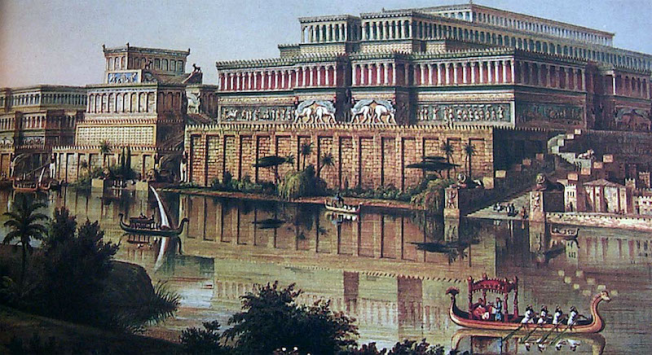
Possible appearance of Palace Complex at Malkata in Egypt
1,386 BCE -1,353 BCE Reign of Amenhotep III of Egypt.
1353 BCE Amenhotep IV (Akhenaten) becomes pharoah, married to Nefertiti, and builds the new capital at Amarna, north of Thebes, dedicated to the god Atum, banishing all other gods
1,353 BCE-1,336 BCE Reign of Akhenaten, Tutankhamun’s father, `Heretic King’ of Egypt imposing his views on the people. The Amarna Period in Egypt.
1,336 BCE-1,327 BCE Reign of child, Tutankhamun with Ankhsenamun as Queen.
1,334 BCE A child, Tutankhamun becomes pharaoh and initiates religious reforms returning Egypt to traditional belief structure.
1,327 BCE-1,323 BCE Reign of Ay in Egypt.
1,323 BCE Tutankhamon is killed at 19 and is buried in the “Valley of the Kings” at Thebes
1,320 BCE-1,292 BCE Reign of Horemheb in Egypt, Tutankhamun’s name erased from record.
1,320 BCE Commander-in-Chief of the Army, Horemheb, succeeds Ay as ruler of Egypt
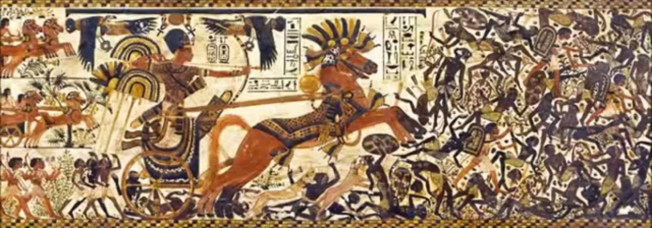
Egyptian Pharaohs dealt harshly with the masses with a army of trained killers
1,319 BCE general Horemheb becomes pharaoh, destroys Amarna, re-establishes order in Egypt and moves the capital back to Memphis
1,307 BCE Horemheb dies and his Amon high priest Ramesses I becomes pharaoh (19th dynasty) and moves the capital to his hometown of Avaris
1,306 BCE Ramesses I dies and is succeeded by his son Seti I
1,303 BCE Birth of Ramesses II of Egypt.
1300 BCE Egyptians build a canal connecting the Nile and the Red Sea
1,295 BCE-1,188 BCE The Nineteenth Dynasty of Egypt.
1,295 BCE-1,294 BCE The reign of Ramesses I in Egypt.
1,294 BCE-1,279 BCE The reign of Seti I in Egypt.
1290 BCE Seti I dies, having built the largest tomb in the “Valley of the Kings” and the largest monument at Abydos, and his son Ramesses II succeeds him, married to Nefertari
1,279 BCE-1,212 BCE Reign of Ramesses II (The Great) in Egypt.
1276 BCE-1178 BCE The Sea Peoples were a confederacy of naval raiders who harried the coastal towns and cities of the Mediterranean region, concentrating their efforts especially on Egypt.
1,275 BCE the Egyptian king Rameses II fights against the Hittite king Muwatalli at the city of Kadesh in Syria
1,274 BCE Battle of Kadesh between Pharaoh Ramesses II of Egypt and King Muwatalli II of the Hittites.
1,264 BCE-1,244 BCE . Probable dates for the construction of Abu Simbel.
1,258 BCE The Treaty of Kadesh between Egyptians and Hittites. The world’s first peace treaty.
1,250 BCE – 1,200 BCE Destruction of many Canaanite towns hints at a probable invasion of the Israelites into Canaan. Two Phoenician cities are named Tyros, meaning rock and possibly the city of Sour, and juts out from the coast of the Mediterranean about 50 miles south of Beirut, was an ancient Phoenician city and a major port, and the other city is Aradus, an island located in the Mediterranean Sea with a large port.
1250 BCE Ramesses II transfers the capital to Pi-Ramesse in the delta, builds two temples at Abu Simbel, the Colossus at Memphis (immortalizing Ramesse), the Hypostyle Hall of the Karnak temple at Luxor, and a huge tomb at Thebes
1,244 BCE-1,224 BCE
Other probable dates for the construction of Abu Simbel.
1,224 BCE Ramesses II dies
1,200 BCE – 1,100 BCE Hebrew tribes settle Canaan.
1,200 BCE Sea Peoples invade the Levant. The rise of the Phoenicians from just another Israeli or Canaanite tribe to fabulously wealthy globe-trotters wasn’t spontaneous. The arrival of a mysterious Sea People nomads had a powerful influence on the Phoenicians. Relentless attacks by groups known as the Sea Peoples virtually destroyed all the major powers of the Mediterranean, and cleared the way for the rise of the Greeks, Romans and Western civilization. In the midst of a cataclysm which destroyed almost every city in the eastern Mediterranean area—the Phoenician cities remained untouched….an event which changed the course of history. The Sea Peoples were and/or recruited the Israelites/Canaanites/Phoenicians to join them on the high seas, as the commerce of the Phoenicians covered the Empires of the Eastern Mediterranean Sea and Phoenicians colonies and trading-posts covered the shores of Spain & Africa covering 300 cities and villages in West Africa, plus they covered the Black Sea and the Baltic to the Persian Gulf, and were believed to travel up to Ireland and England. Phoenicians or Sidonians or Canaan are used variously over time. “The word ‘Canaanite’ is historically, geographically, and culturally synonymous with ‘Phoenicia'”. And Hebrews inhabited the region.
1,200 BCE The Phoenicia were likely the main force of the SEA PEOPLES, as they held a top position in the history of the ancient world, as brave and courageous merchants and ruthless seafarers. They were the first to venture great distances from shore and to navigate the open seas aided by the north star as guide. In their travels they entered the Atlantic Ocean, and were the first to reach the British Isles and were the first to circumnavigate the African continent. They expanded their commercial ties with many countries and served as link between east and west. Another consequence of their travels was the founding of many settlements, especially in the Mediterranean Basin.
1,200 BCE The Phoenicians influence ancient architecture, religion, language, astronomy, navigation, military strategy, and even invented the glass industry raising the art of glass–making to a high degree of perfection. The Phoenicians the Greeks developed systems of weights and measures. The most important invention attributed to them is that of phonetic writing which was and still is, the main basis and cause for the development and advancement of the human race.
1,196 BCE Sethnakhte founds the 20th dynasty
1,194 BCE Sethnakhte dies and his son Ramesses III becomes pharoah and builds the temple at Medinet Habu (near Thebes)
1,194 BCE-1,153 BCE Reign of Ramesses III, Pharaoh of Egypt.
1,180 BCE Sea Peoples increased their raids and incursions into Egypt. It is strange that all of the known variations of the Templar cross were used as solar crosses by the Phoenicians thousands of years before the Crusades. The Phoenicians had a strong presence in North Africa (Egypt) and Spain. Archaeologists have found a temple to Hercules at the entrance to the Mediterranean in what’s now called Gorham’s Cave in Gibraltar.
1,180 BCE-1,178 BCE Ramesses III of the 20th Dynasty fortifies Xois against the threat of the invading Sea Peoples.
1,178 BCE Rameses III defends Egypt from the Sea Peoples on the shores at Xois, defeating them completely.
1,177 BCE marauding groups known only as the “Sea Peoples” invaded Egypt. The pharaoh’s army and navy managed to defeat them, but the victory so weakened Egypt that it soon slid into decline, as did most of the surrounding civilizations. After centuries of brilliance, the civilized world of the Bronze Age came to an abrupt and cataclysmic end. Kingdoms fell like dominoes over the course of just a few decades. No more Minoans or Mycenaeans or Trojans or Hittites or Babylonians. The thriving economy and cultures of 2000 BCE-1100 BCE, which had stretched from Greece to Egypt and Mesopotamia, suddenly ceased to exist, along with writing systems, technology, and monumental architecture.
1,075 BCE-715 BCE The 21st-25th Egyptian Dynasties the 3rd Intermediate Period – the Nubians eventually conquer Egypt (late 8th century)
1,075 BCE-664 BCE Egypt becomes divided and the Nubians take the opportunity to regain autonomy under their Egyptianized local ruling families and maintain their capital at Kerma.
1,069 BCE-525 BCE Third Intermediate Period in Egypt.
1,069 BCE the high priests of Amon usurp the title of king and split Egypt in two, the north with capital in Tanis (on the Mediterranean Sea) ruled by the 21st dynasty and the south with capital in Thebes ruled by the priests of Amon
1,000 BCE The term “Phoenicians” appears first and foremost in early Greek literature of Homer saying they were from “Tyre and Sidon” in Phoenicia”. Tyrians and Sidonians of Canaan, although the latter is used to denote a general term for the whole area. In Egyptian inscriptions, the names “Kharu” or “Retenu” are employed to designate the region of Phoenicia and Israel. It should be noted that in certain Egyptian texts from the 3rd millenium BCE, the name “Phoinikes” or purple identifies the Phoenicians that made purple dye.
926 BCE Palestine is invaded by pharoah Shoshenk
900 BCE The capital of the Nubian kingdom is moved to Nepata, but it also descends into obscurity for over a century, perhaps suggesting a loss of central control and a retreat to a more defendable location.
814 BCE: Traditional founding date for the Phoenician colony of Carthage by Tyre.
813 BCE–146 BCE Carthage was founded on the Gulf of Tunis. 500 BCE onwards, it developed into a great trading empire covering much of the Mediterranean and a advanced civilization. The long Punic Wars eventually destroyed Carthage in 146 B.C. Scholar J.A. Rogers wrote, “The Carthaginians were descendants of the Phoenicians, a Negroid people, and that in fact until the rise of the doctrine of white superiority, Hannibal was traditionally known as a Black man.” Ancient Greek and Roman eyewitness accounts called the indigenous peoples of Carthage, the Afers race. Ancient Roman poet Vergil said, “And all her figure proves her native land. Her hair was curly, thick her lips, and dark her color.” Also, in Library of History Book XX, Greek historian Diodorus mentions a Greek lieutenant named Agathocles, who defeated a people in the area of present-day Tunisia, who were the same hue as Ethiopians and this matches physical anthropology. Skeletons found were examined by L. Bertholon and E. Chantre, both well-noted French anthropologists throughout North Africa in all periods and found that the remains of both upper and lower class individuals of were representative of the Negroid race.
785 BC At this time King Alara reunites the Nubian region and founds a new kingdom, now known as Kush, which is centered on Napata.
750 BCE Iron working is introduced to Egypt.
720 BCE the Nubian (Black) king Piankh/ Piye of Kush (Sudan) conquers the various kingdoms of Egypt and founds the Nubian dynasty
715 BCE-332 BCE The 20th-30th Egyptian Dynasties the Late Period and the Persians conquer Egypt in 525BC lead by the Persian king Cambyses II, Persian Period 2. Assyrians conquered Egypt for a short time. Persian ruled Egypt for over 100 years but Egypt got its independent again (404 BCE-343 BCE).
712 BCE-671 BCE Egypt is ruled by the Kushite dynasty.
710 BCE Piankh’s successor Shabaka moves the capital from Napata to Thebes
699 BCE Nubian (Black) king Tirhakah/Taharqa (son of Piankh) ascends to the throne of Egypt and moves the capital to Memphis.
671 BCE the Assyrians defeat Tajarqa and capture the Egyptian capital of Memphis and conquers Egypt — Second Egyptian Campaign
667 BCE-665 BCE . Ashurbanipal wages war in Egypt to put down rebellions.
664 BCE Taharqa withdraws to Napata and builds the Nuri pyramid, the first pyramid in a thousand years
664 BCE Psamtik I becomes Pharoah in Egypt.
653 BCE Egypt expels Assyrians.
646 CE The Arab Muslims conquer Egypt under Caliph Umar.
610 BCE Neko II becomes king of Egypt and starts building a canal from the Red Sea to the Nile but never completes it.
605 BCE Nebuchadnezzar II leads the Babylonians to conquer Carchemish and defeat the Egyptian army, but in 601 BCE Nebuchadnezzar is unsuccessful in attempts to takeover Egypt.
525 BCE Cambyses II of Persia conquers Egypt at the battle of Pelusium and takes the city
525 BCE Imhotep is deified in Egypt.
525 BCE – 404 BCE Persia conquers Egypt.
520 BCE Darius of Persia links the Nile and the Red Sea by a canal. The Persians complete Neko II’s canal.
480 BC The Phoenicians found Carthage in Tunisia. Carthage, developed from a Phoenician colony, as the capital city of the ancient Carthaginian civilization, on the eastern side of the Lake of Tunis in Tunisia, an empire dominating the Mediterranean during the first millennium BC. The empire dominated through the first Punic Wars, and was the only existential threat to the Roman Empire during that time.
404 BCE Amyrtaios of Sais expels the Persians (28th, 29th and 30th dynasties)
398 BCE-380 BCE
Plato travels in Egypt, Cyrene, Italy, Syracuse and Sicily.
355 BCE-415 BCE — Alexandria had long been known for its violent and volatile politics. Christians, Jews and Pagans all lived together in the city. One ancient writer claimed that there was no people who loved a fight more than those of Alexandria. Immediately after the death of Hierax a group of Jews who had helped instigate his killing lured more Christians into the street at night by proclaiming that the Church was on fire. When the Christians rushed out the largely Jewish mob slew many of them. After this there was mass havoc as Christians retaliated against both the Jews and the Pagans – one of which was Hypatia. Hypatia, born in this TURBULENT ERA was a mathematician, astronomer, and philosopher was the earliest female mathematician of whose life and work reasonably detailed knowledge exists. The story varies slightly depending upon who tells it but she was taken by the Christians, dragged through the streets and murdered.
343 BCE the Persians conquer Egypt completed two years later again (31st dynasty)
332 BCE Alexander the Great conquers Egypt. Alexander the Great occupies Egypt and his general, Ptolemy, becomes king and founds a dynasty. Greek culture was spread throughout Egypt during this dynasty. The city of Alexandria was founded and became famous for the Great Library and the great Lighthouse of Alexandria which was one of the Seven Wonders of the Ancient World.
332 BCE Alexander the Great conquers Syria and turns toward Egypt and one year later conquers Egypt without resistance
332 BCE-395 AD Greco-Roman Period. Egypt was occupied by Alexander the Great. The Rosetta Stone was created. The reign of Cleopatra VII. Egypt became part of the Roman Empire.
331 BCE Alexander the Great founds Alexandria at the port town of Rhakotis.
323 BCE-31 BCE The Hellenistic Age. Greek thought and culture infuses with indigenous people.
323 BCE-282 BCE Rule of Ptolemy I Soter.
323 BCE Alexander dies at Babylon and Ptolemy inherits Egypt
312 BCE Ptolemy’s general in Syria, Seleucus Nicator, establishes a kingdom ranging from Syria in the west to India in the east and founds the Seleucid dynasty
307 BCE-285 BCE Reign of Ptolemy I creates the library of Alexandria (Museum)
300 BCE Ptolemy I builds the Pharos of Alexandria and founds the Museum of Alexandria.
305 BCE-30 BCE Ptolemaic dynasty was a Macedonian Greek royal family, which ruled the Ptolemaic Kingdom in Egypt during the Hellenistic period for 275 years and were the last dynasty of ancient Egypt. Ptolemy was one of seven bodyguards for Alexander the Great’s generals and deputies. After Alexander’s death in 323 BC he was appointed to rule, but officially in 305 BC, he declared himself Ptolemy I, and later known as Savior. Soon Egyptians accepted the Ptolemies as the successors to the pharaohs. Cleopatra was the last Greek Ptolemy to rule Egypt as the Roman captured Egypt in 30 BC.
283 BCE Ptolemy dies
277 BCE – 276 BCE 4,000 Celts are employed in Egypt under Ptolemy II.
264-241 BC The First Punic War is fought between Rome and Carthage (on the North African coast). Rome wins and gains Sicily.
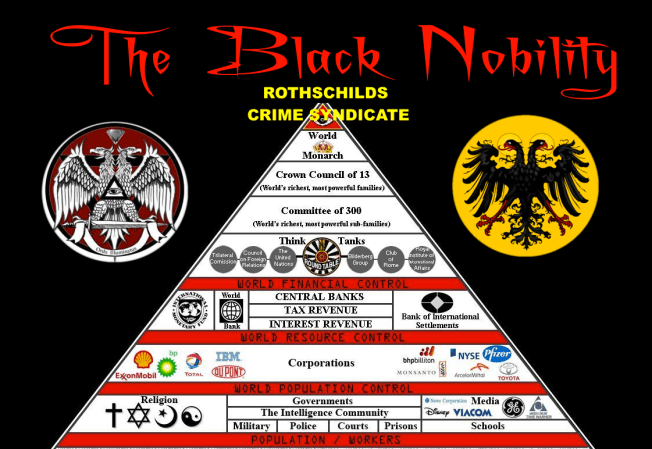
264 BC In Carthage, the Canaanites called themselves Punics. The army of Carthage nearly vanquished Rome in earlier Punic Wars. But, Rome attacked Carthage in full force, beginning in 264BC and completed their task after killing or enslaving every Carthaginian, and then sowed the land to salt so that nothing could ever grow there again. The Edomites descended from Esau later intermarried with the Turks to produce a Turco-Edomite mixture which later became known as Chazars (Khazars) – who are the present occupants of Israel. These Canaanites eventually adopted the name “Sepharvaim” for deceptive purposes. They later became known as Venetians, and by marrying into European royalty and aristocracy, the “black nobility.” The Venetians today control the Federal Reserve system in the US.
259 BCE Celts in Egypt fail to overthrow Ptolemy II and are starved to death on an island.
247 BCE The lighthouse at Alexandria (Pharos) is completed.
232 BCE Emperor Maximinus Thrax commands a legion
218 BCE-201 BCE The Second Punic War is fought. The great Carthaginian general Hannibal leads an expedition through Spain over the Alps against Rome but he fails to capture the city.
217 BCE 14,000 Celts serve under Ptolemy IV in his victory at Raphia over the Seleucid King Antiochos III.
202 BC The Romans finally defeat the Carthaginians in at the battle of Zama in North Africa
198 BCE the Seleucids under Antiochus III conquer Palestine from the Ptolemaics
196 BCE the Rosetta Stone is carved in both Greek and Egyptian
149-146 BC The Third Punic War is fought between Rome and Carthage. Rome destroys Carthage.
146 BCE The ancient Carthage city was destroyed by the Romans in the Third Punic War and re-developed as Roman Carthage, which became the major African city of the Roman Empire.
69 BCE BCE Birth of Cleopatra VII of Egypt.
58-51 BC Julius Caesar conquers Gaul (France)
51 BCE-30 BCE Cleopatra VII Ptolemy becomes queen of Egypt (last of the Greek monarchs). Cleopatra VII reigns and became the mistress of Julius Caesar and gave birth to his son, Octavian.
48 BCE Destruction of the Library in Alexandria possibly caused by Julius Caesar pursuing Pompey into Egypt when he was suddenly cut off by an Egyptian fleet at Alexandria. Greatly outnumbered and in enemy territory, Caesar ordered the ships in the harbor to be set on fire. The fire spread and destroyed the Egyptian fleet. Unfortunately, it also burned down part of the city – the area where the great Library stood. Other stories of the fire also exist.
47 BCE Cleopatra VII is sole ruler of Egypt; she presents herself as the goddess Isis.
37 BC 37 BC Queen Cleopatra VII of the Ptolemies marries Mark Antony
31 BCE Octavian & Augustus defeat Cleopatra VII and Mark Antony are defeated by Augustus. Cleopatra & Anthony commit suicide and Egypt becomes a province of the Roman empire. End of the Ptolemaic Rulers, but the bloodline continues.
30 BCE – 14 CE Reign of Augustus Caesar in Rome, restoration of Roman province of Alexandria with Egypt a province of the Roman empire.
1 BCE First non-stop voyages from Egypt to India.
30 AD – 476 AD Egypt remains a province of the Roman Empire.
50 AD – 60 AD Establishment of various Christian communities in the Eastern Mediterranean, Greece, Egypt, and at least the city of Rome.
145 AD: the astronomer Ptolemy of Alexandria publishes the “Almagest” that summarizes the geocentric theory
250 AD: Diophantus of Alexandria writes the “Arithmetica”, a treaty on the solution of algebraic equations and on the theory of numbers
384 AD Theodosius ordered the adherence to Christianity
394 AD: the last known hieroglyph is inscribed at Philae
395 AD The Roman empire split into West and East and Egypt became part of the Byzantine Empire
407 Germanic tribes overrun Gaul (France)
410 The Goths capture Rome
527 AD- 646 AD The Byzantine Empire controls Egypt.
600 AD: Alexandria has 200,000 inhabitants
641 AD: Egypt is conquered by the Arabs and forced to convert to Islam
642 AD The Arabs captured Alexandria and Egypt became an important part of the Islamic Empire. The Arabs destroy the library of Alexandria
868 AD- 969 AD The Tulunid and the Ikhshidid dynasty rule Egypt
969 AD Fatimid rulers seized Egypt and founded the Egyptian city Al-Qahirah (modern day Cairo)
1937 AD – Source of the “White Nile” was discovered. The ‘White Nile” refers to the river formed at Lake Victoria, south of Egypt, which is where two rivers unit called the Bahr al Jabal River and the Bahr el Ghazal River, in today’s Sudan at the base of Mount Kikizi. The White Nile now has a steel bridge for traffic to cross. Nearly constant annual flooding causes feeder streams and rivers to carry large amount of fertile sediment, adding greatly to the White Nile’s color. As the River Nile breaks its banks to covers the surrounding countryside and a rich silt, alluvial soil, ideal for crop growing. This made the land of the Nile perhaps the most abundant growing location in the world. The area next to the River Nile was called the ‘black lands’ because of the black fertile land. Further away from the river were the ‘red lands’ and both complemented each other to create a strong economy and civilization in ancient Egypt. The ‘Black Lands’ were, of course, the farming areas on the banks of the Nile, while the ’Red Lands’ were the desert areas that protected Egypt on two sides and separated ancient Egypt from neighboring countries and invading armies, and was rich in raw materials such as gold, silver and copper and semi-precious stones.
1970 AD Today Upper Egypt covers area from Cairo south to Lake Nasser which was formed by the Aswan High Dam, so a large southern portion of the Nile Valley. The Aswan High Dam project threatened the Temples at Philae and Abu Simbel. The Temple of Isis on the island of Philae was transported to the island of Agilkia and the massive rock temples of Abu Simbel were moved 550 feet inland. Upper Egypt was divided into twenty-two districts called nomes. The first nome was where modern Aswan is and the twenty-second was at modern Atfih (Aphroditopolis), to the south of Cairo.
Sources:
http://www.ancient.eu/timeline/egypt/
http://www.metmuseum.org/toah/ht/02/afe.html



 Concise Politics -- Your Time should NOT be wasted.